
★★★★★
Sieora's system has given us real peace of mind. Their team understood our safety needs and delivered a solution we can genuinely rely on.
Head of Safety OperationsNippon Paint India
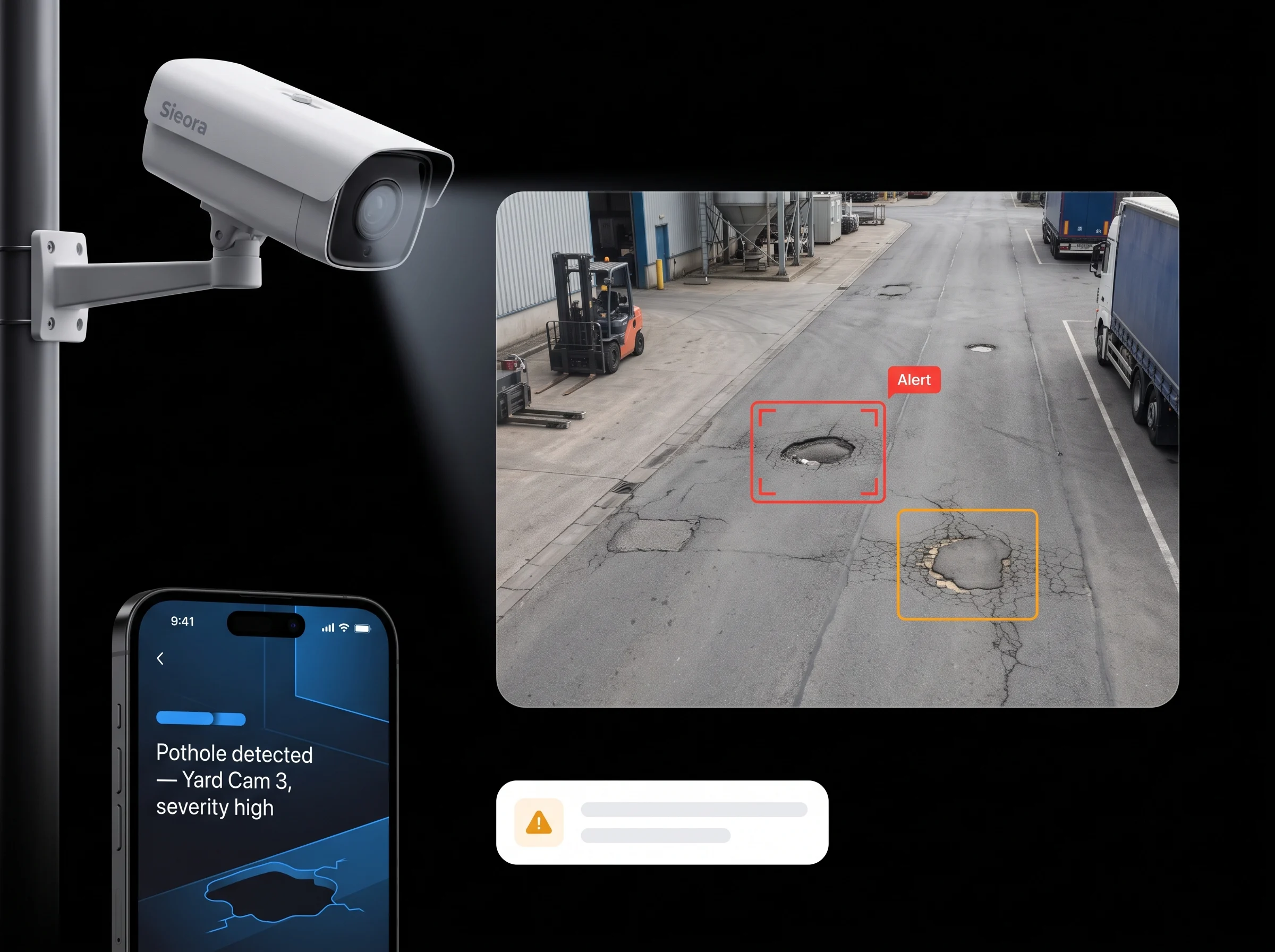
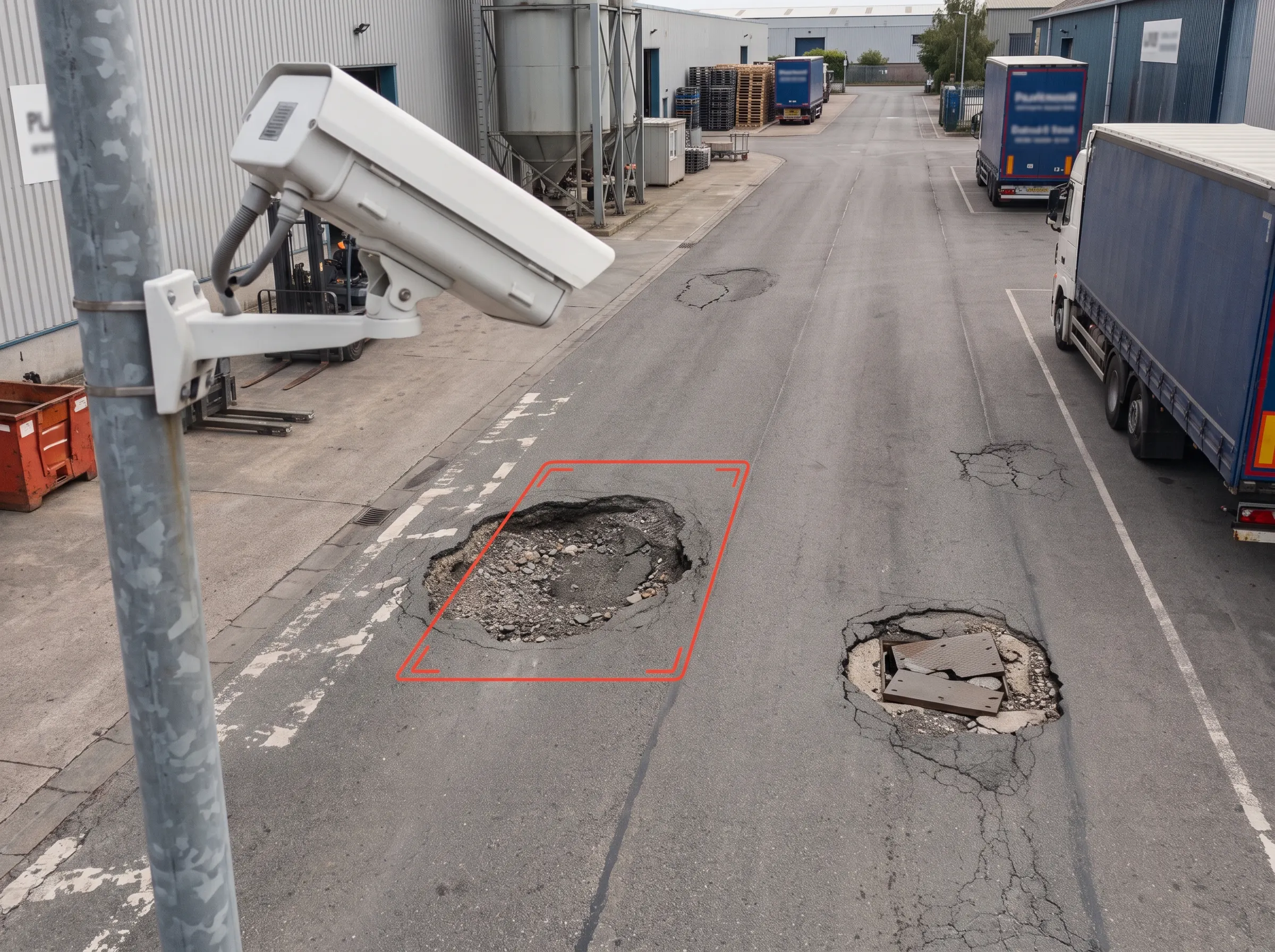
Sieora's pothole detection software runs on the CCTV cameras you already have — watching plant roads, yards, campuses, parking areas and road-facing city views — and automatically flags potholes, cracks and surface damage as they appear. This is AI pothole detection built for continuous road condition monitoring: it grades each defect by severity, alerts your maintenance team, and logs it for repair prioritisation. One pothole detection system that sits alongside garbage and dumping detection on the same cameras — across India and worldwide.
 POTHOLE · SEVERE
CRACK · MODERATE
POTHOLE · SEVERE
CRACK · MODERATE
Enterprises, manufacturers and fast-growing startups build with Sieora.



























Most sites still find potholes the slow way — someone eventually notices, or a complaint arrives after a vehicle is damaged or someone is hurt. Meanwhile the cameras watching that road, yard or campus see the defect every single day and say nothing.
Potholes cause crashes, injuries, vehicle damage and sudden braking — a serious road-safety issue on Indian roads.
Nobody walks every yard and access road weekly — so damage worsens between checks, especially through the monsoon.
Complaints arrive as scattered reports with no severity, no location data and no way to plan repairs rationally.
Plenty of vendors will sell you a full road asset management platform. Most cities just need to find the potholes and fix the worst ones first.
We'd rather be the honest detection layer you actually need than oversell a platform you don't. Start with a pilot; judge us on your own roads.
Pavement defects, each graded for severity and pinned to a GPS location.
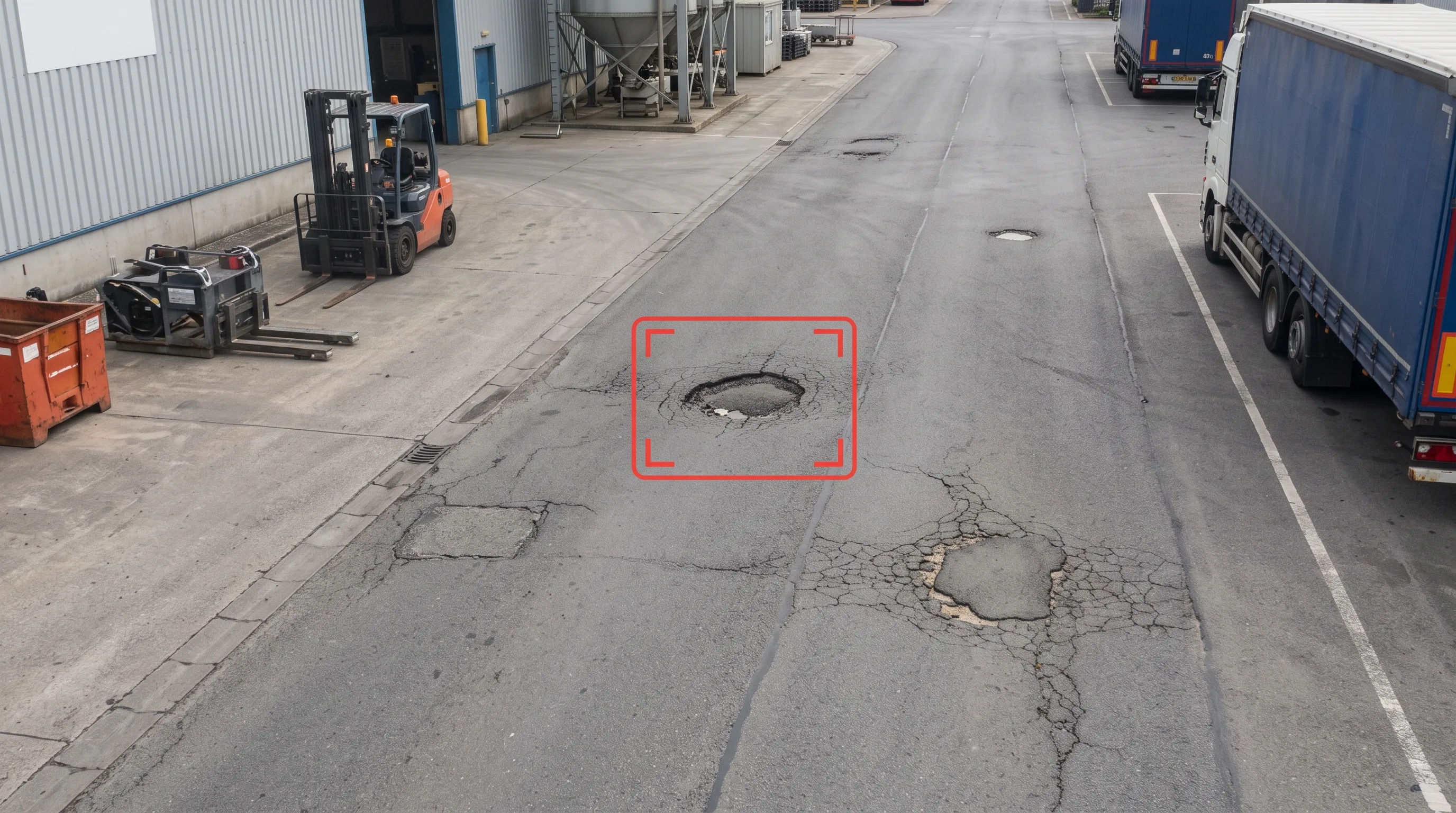 POTHOLE ✗
Finds potholes of varying size and depth on the road surface, grading each by severity for repair priority.
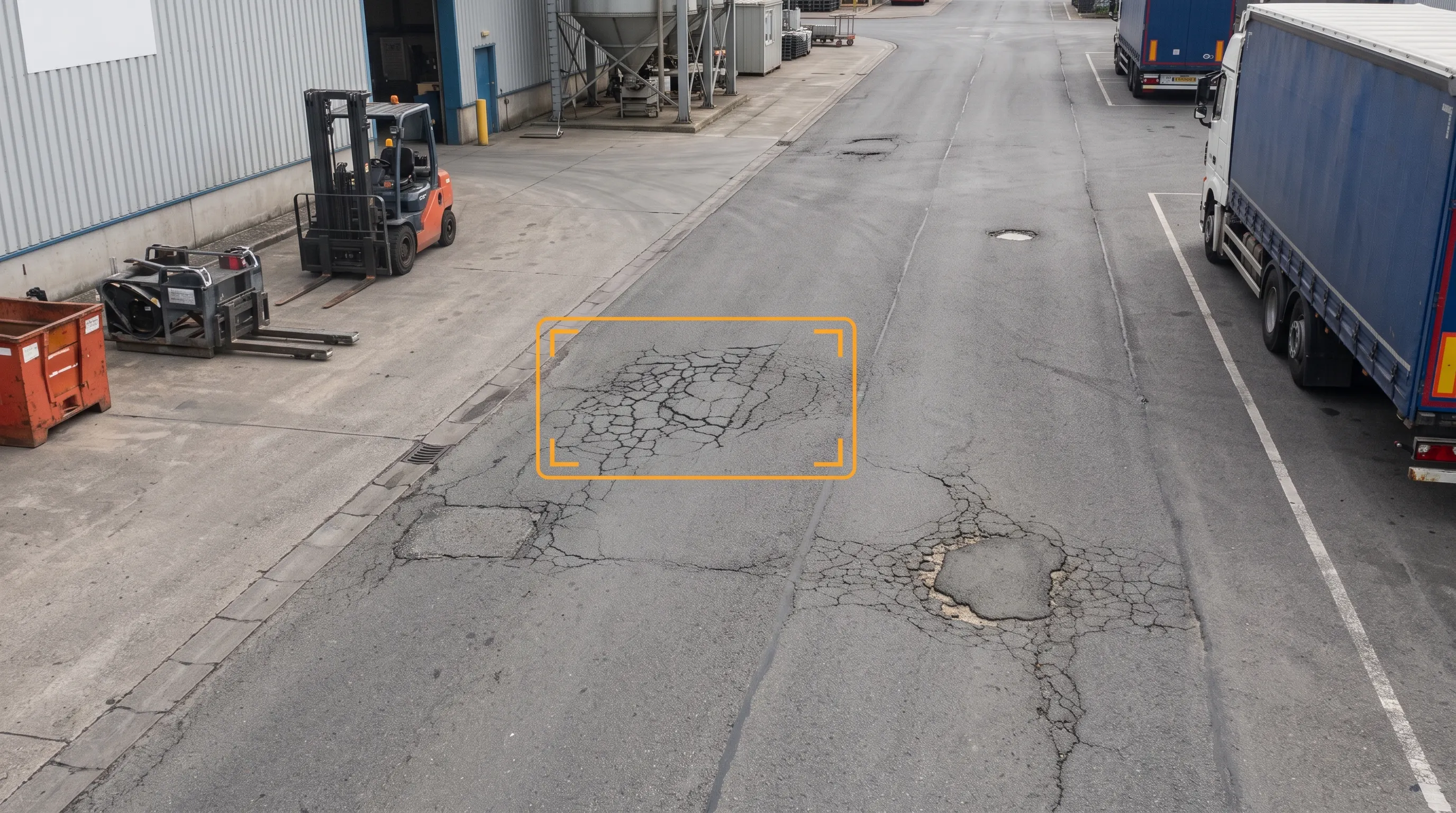 CRACKING
Detects surface cracking early — the stage before it becomes a pothole and a far cheaper repair.
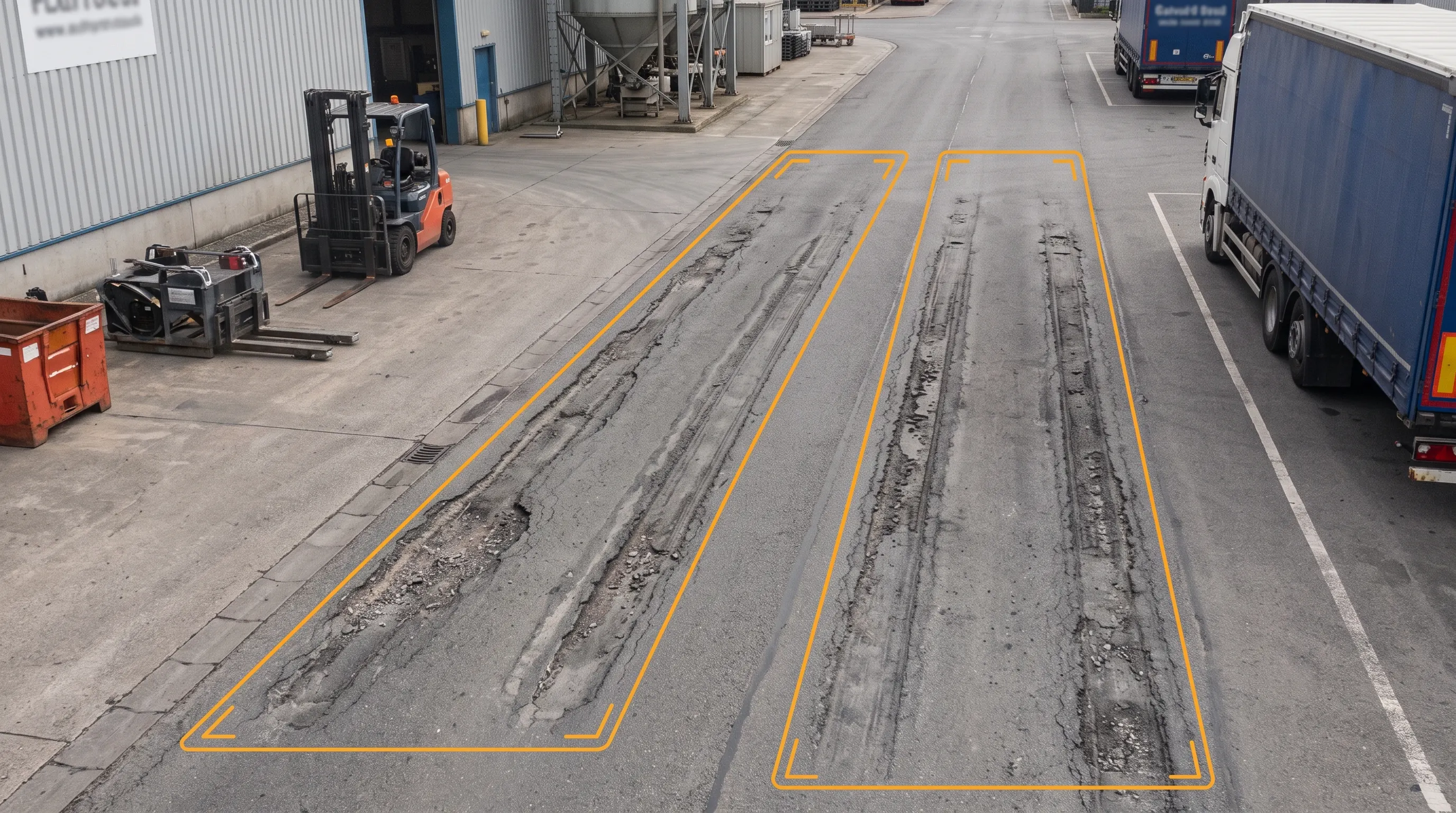 RUTTING
Flags wheel-path rutting, raveling and general surface deterioration across the network.
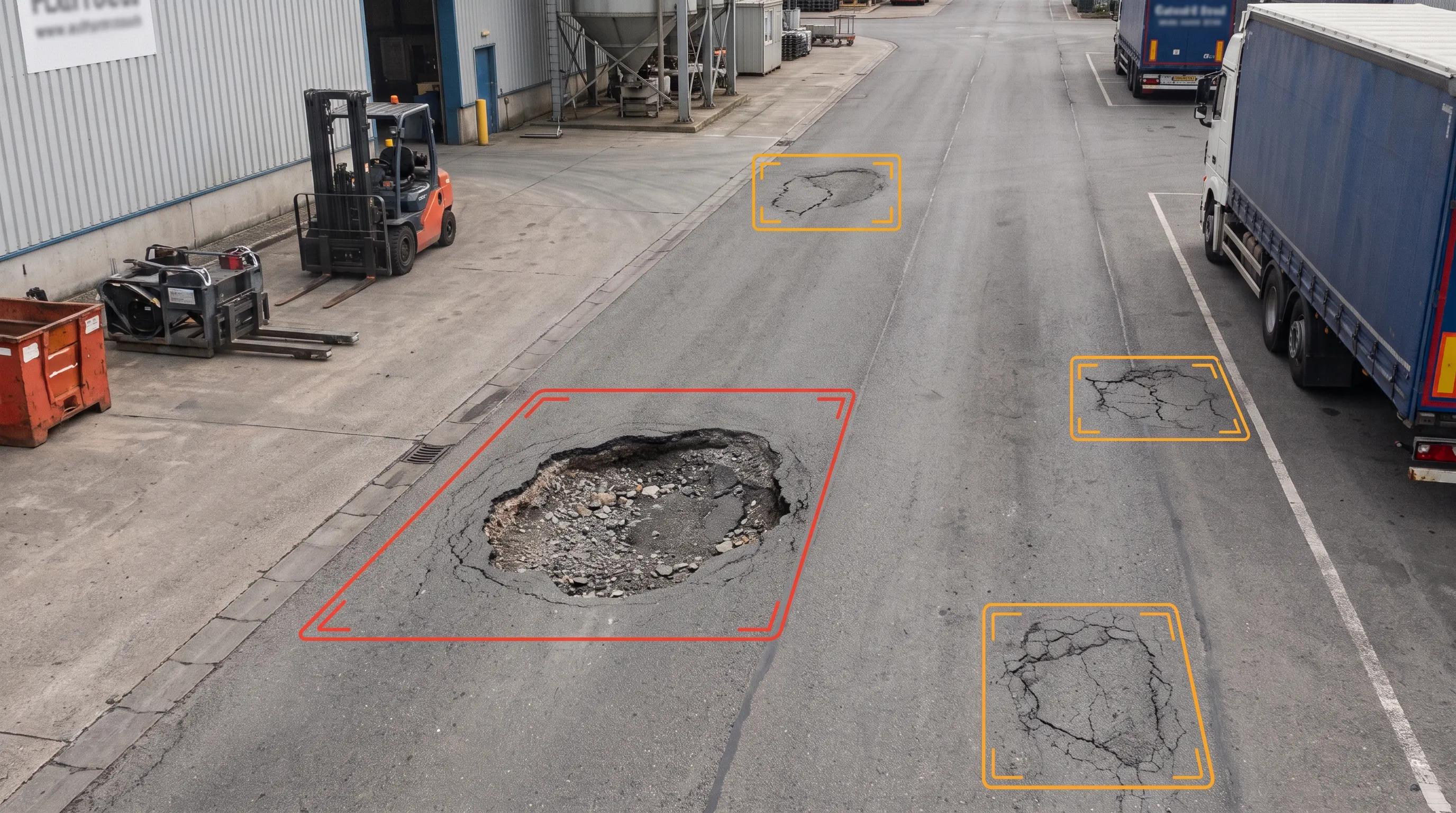 SEVERITY · HIGH
Grades each defect so engineers fix the dangerous ones first instead of working from complaints.
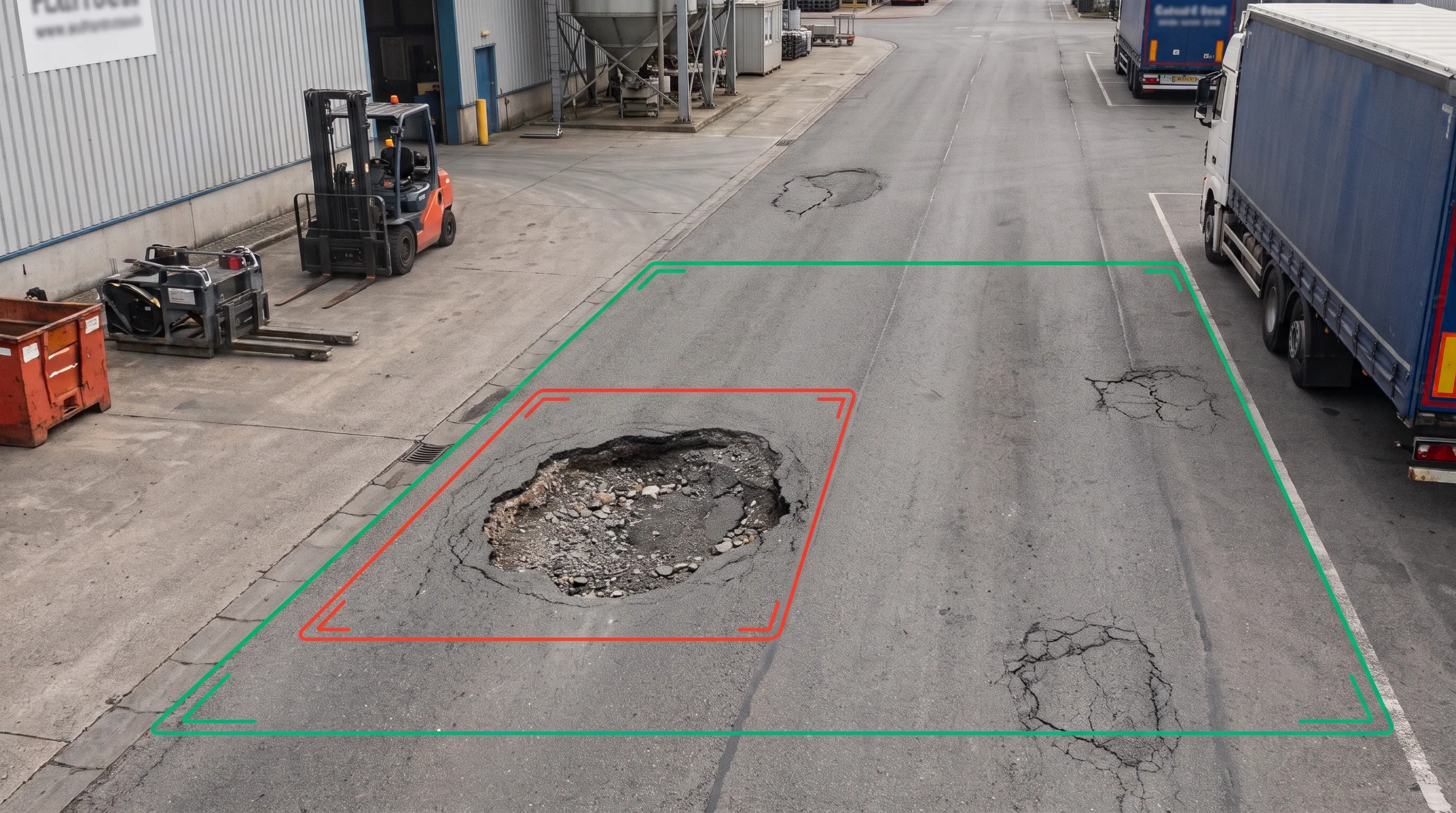 ZONE · LOGGED
Every defect is logged against its camera and zone, so a repair crew knows exactly where to go.
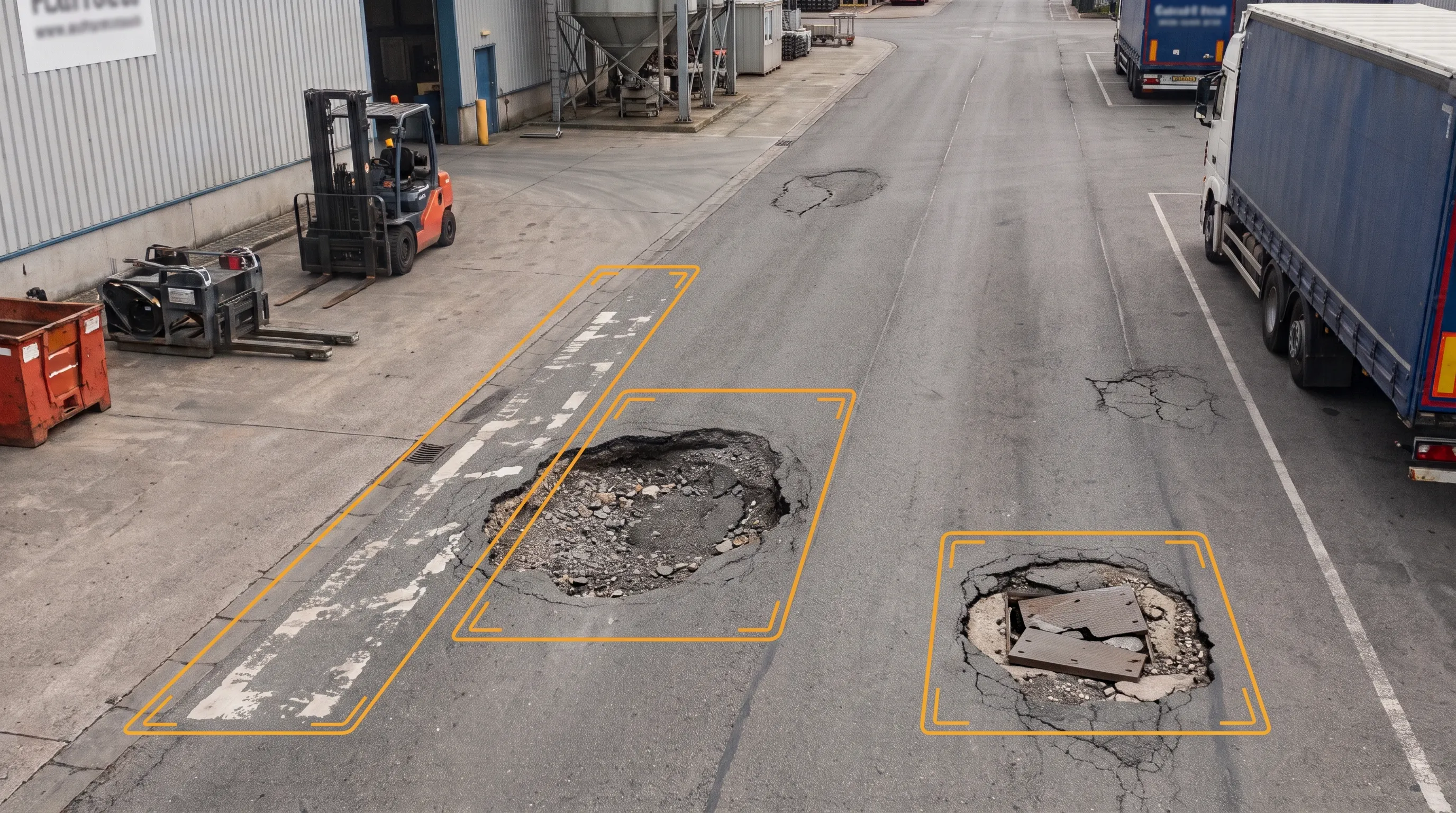 + CUSTOM
Need something else — manhole covers, damaged signage, faded markings, a specific road type? We tune it to your network.
City roads, rural stretches and highways fail differently. If a camera can see it, we can train a model to detect it — tuned to your road types, defects and repair workflow.
Request Custom Detection →Road crack detection catches deterioration at the stage where a repair is cheap — sealing a crack costs a fraction of rebuilding a pothole. Sieora flags cracking, rutting and raveling alongside potholes, so a pavement condition survey shows you where the network is heading, not just where it has already failed.
That turns road maintenance from reactive patching into planned, budgeted work.
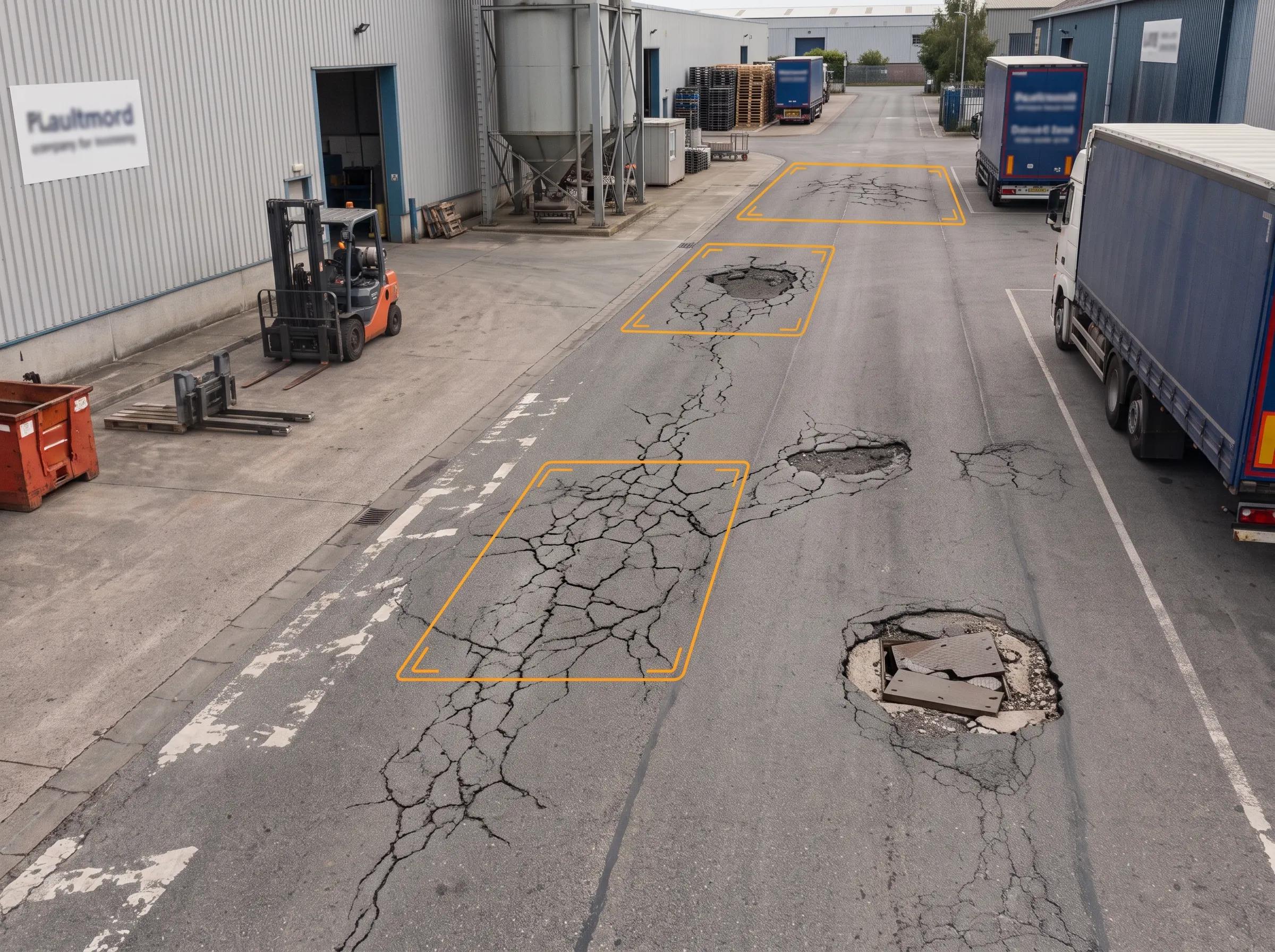 CRACKING · MODERATE
 EXISTING CCTV
Sieora connects to your existing IP cameras, NVR or VMS over RTSP/ONVIF and watches the surfaces those cameras already cover — plant roads, internal yards, loading areas, campus drives, parking decks, toll plazas and road-facing city views. No new hardware, no survey campaign.
Because the camera is already there and always on, you get continuous road condition monitoring of that surface — defects are flagged as they appear and worsen, not once a year when an inspector drives past.
Fixed cameras work best where the surface is close, bounded and already in view — which describes most industrial and campus sites.
Internal roads, forklift routes and loading bays where surface damage causes vehicle damage, spills and injuries.
Campus drives, society roads and internal lanes already covered by security cameras.
Parking decks, depots and warehouse aprons where potholes damage tyres and trolleys daily.
Toll lanes, junctions and ATCC-style views that already look down at the carriageway.
We'd rather be clear up front about where existing CCTV is the right tool and where it isn't.
So the straight answer: if a camera genuinely sees the surface, we detect on it — which covers most industrial, campus and facility sites, plus road-facing city views. For mapping an entire city network, vehicle-captured video is the right tool, and we'll tell you that honestly.
Road-survey specialists detect roads. Waste vendors detect waste. Sieora detects both — and feeds them into the same command centre.
Potholes, cracks and pavement distress, geo-tagged and severity-graded for repair prioritisation.
Dumping, littering and accumulation on street cameras — with the offending vehicle's plate where visible.
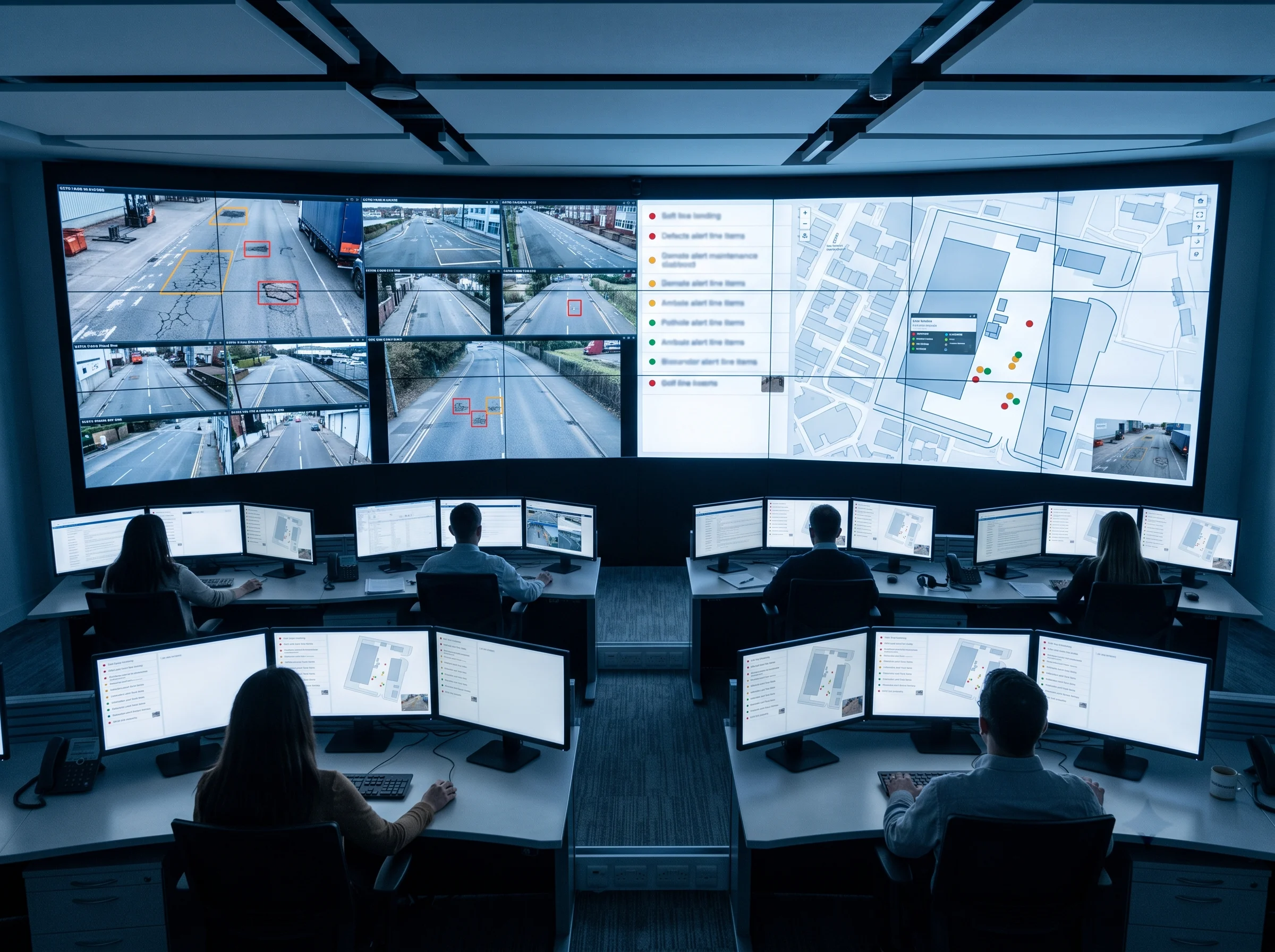
Both detections flow into your Integrated Command and Control Centre through a single AI layer and dashboard.
Fewer vendors, one contract, one team to work with your system integrator across civic detections.
This is the part road-survey specialists structurally can't offer. See garbage detection and smart city analytics.
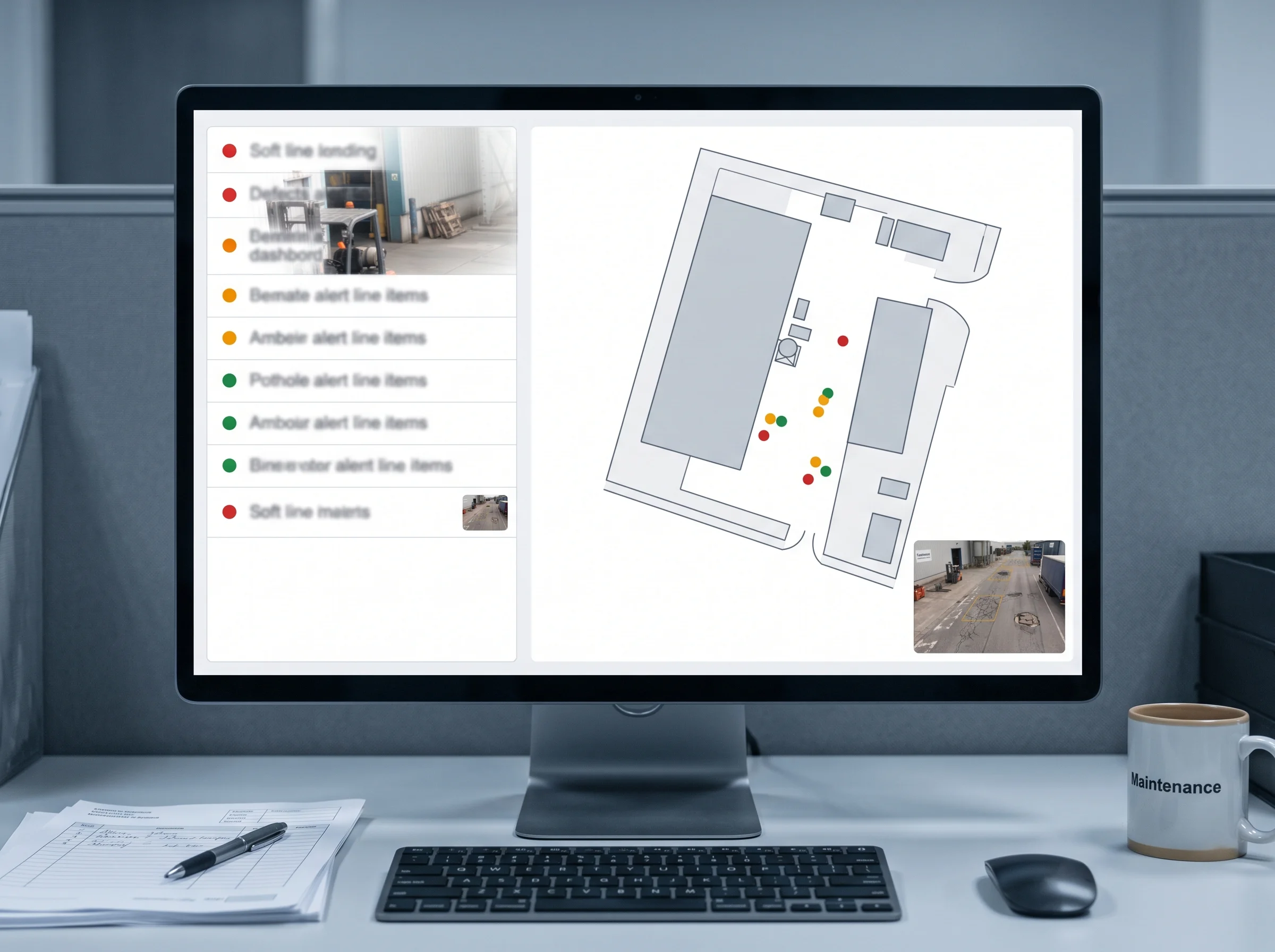
The output isn't footage — it's a decision. Every defect is flagged with its camera, zone, type and severity, and rolled into a repair list your engineers can actually schedule and budget against.
Fix the dangerous ones first. Severity grading turns a scatter of defects into a ranked work plan, and repeat surveys show whether the network is improving.
Complaints get verified and enriched with AI detection — an unstructured report becomes a geo-tagged, severity-graded, evidence-backed work order.
 ALERTS · PRIORITISED
From a live camera feed to a prioritised repair list.
Securely ingests streams from your existing cameras over the surfaces you want watched.
AI processes the footage, finding potholes, cracks, rutting and surface deterioration frame by frame.
Each defect gets a severity grade and a camera/zone location, so nothing is a vague "somewhere on that road".
Alerts your maintenance team and logs the defect into a ranked repair list — ready for work orders and your ICCC.
This is a field with certified, well-funded specialists. We'd rather be candid than pad a brochure:
A reasonably close, clear camera view of the surface in decent light gives reliable detection.
Poor light, heavy rain, and water-filled potholes genuinely reduce accuracy — for any vision system.
We don't publish a headline accuracy figure we haven't earned on your feeds. We pilot first.
If a vendor quotes you a single accuracy number without seeing your cameras, ask how they measured it. The only figure that matters is detection and false-positive rate on your feeds, in your conditions — which is exactly what a pilot establishes.
 ICCC · LIVE
Indian roads and yards fail on a monsoon cycle, and most sites still rely on manual inspection and complaints. Sieora fits the infrastructure you already have — run detection on your existing cameras, feed findings to maintenance teams or the Integrated Command and Control Centre your smart-city programme already funded, and work through your existing system integrator.
Road safety is a documented national concern — pothole-related crashes are tracked in official road-accident reporting.
Transparent, survey-based pricing — start with one ward.
Pothole detection software from Sieora is priced on the cameras and sites you monitor — and because it runs on your existing CCTV, there's no new hardware to buy. It's deliberately far below the cost of a full road asset-management programme:
Tell us your cameras and surfaces and we'll size a quote — and prove accuracy on your own feeds before you scale.
Representative examples. Replace with your verified deployment results before launch.
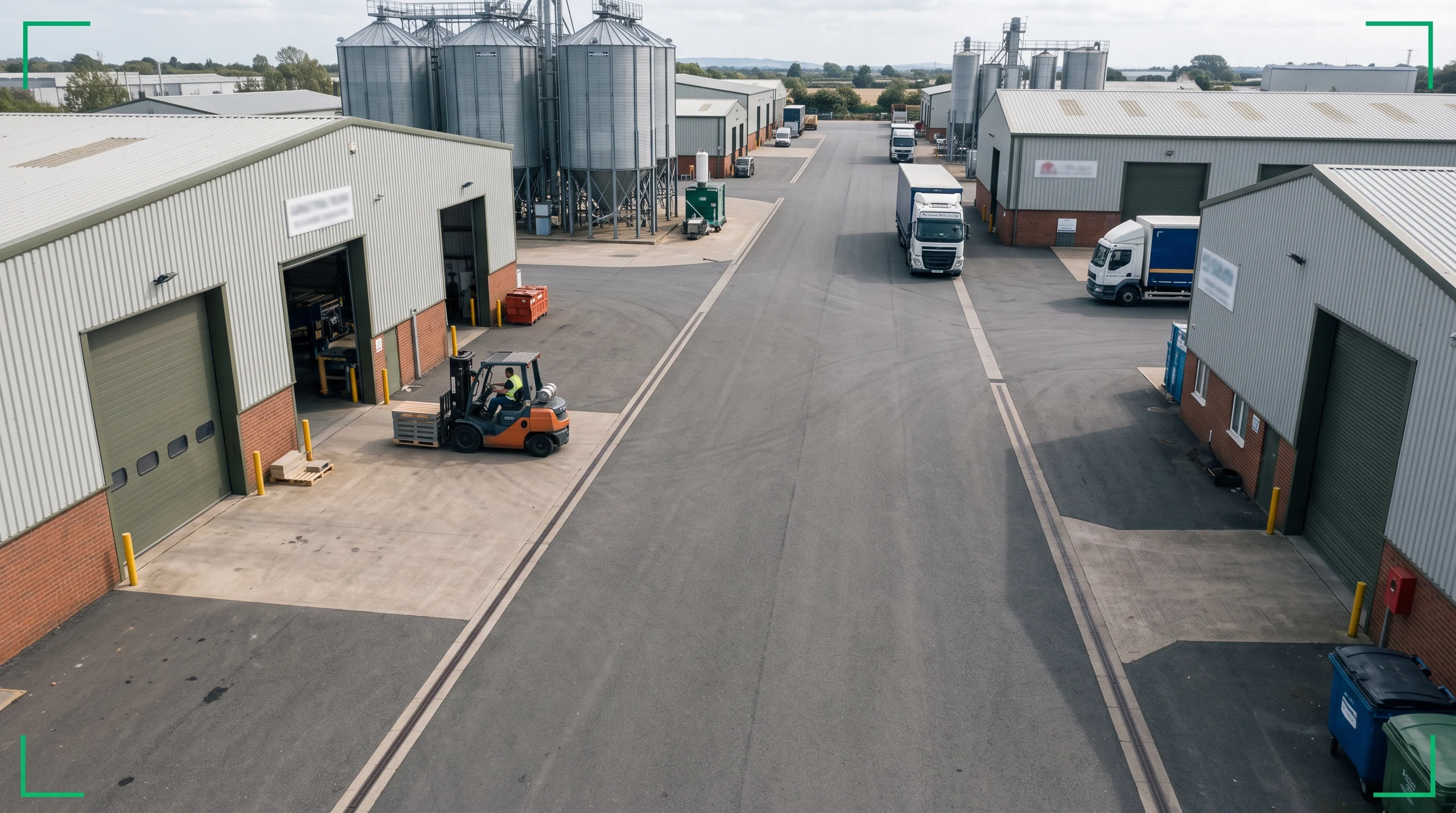
A plant ran detection on its existing yard cameras, flagging surface damage on forklift routes before it caused vehicle damage or a spill.
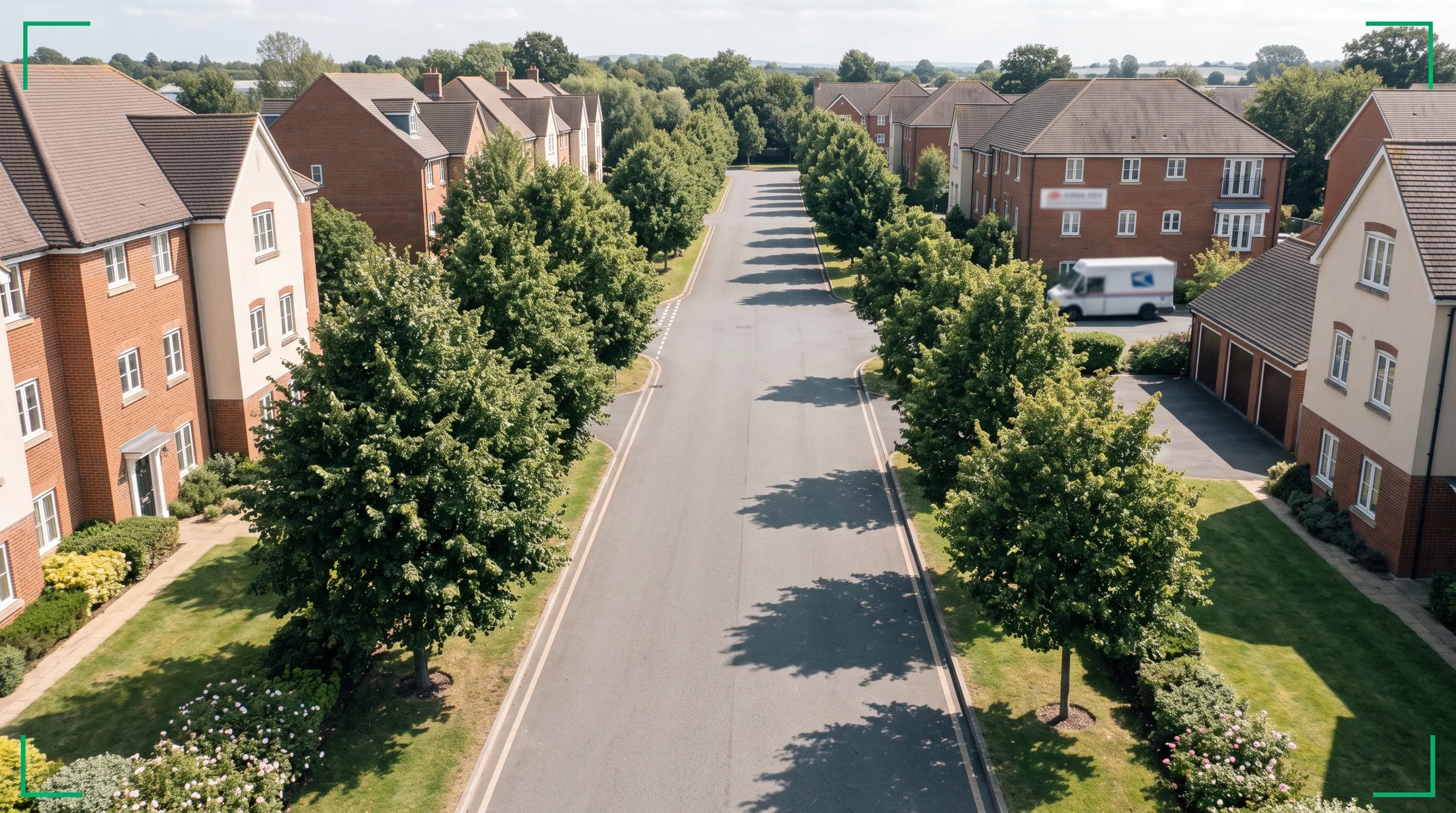
A campus flagged cracking early on its existing drive cameras, sealing defects before they became potholes — the cheaper repair.
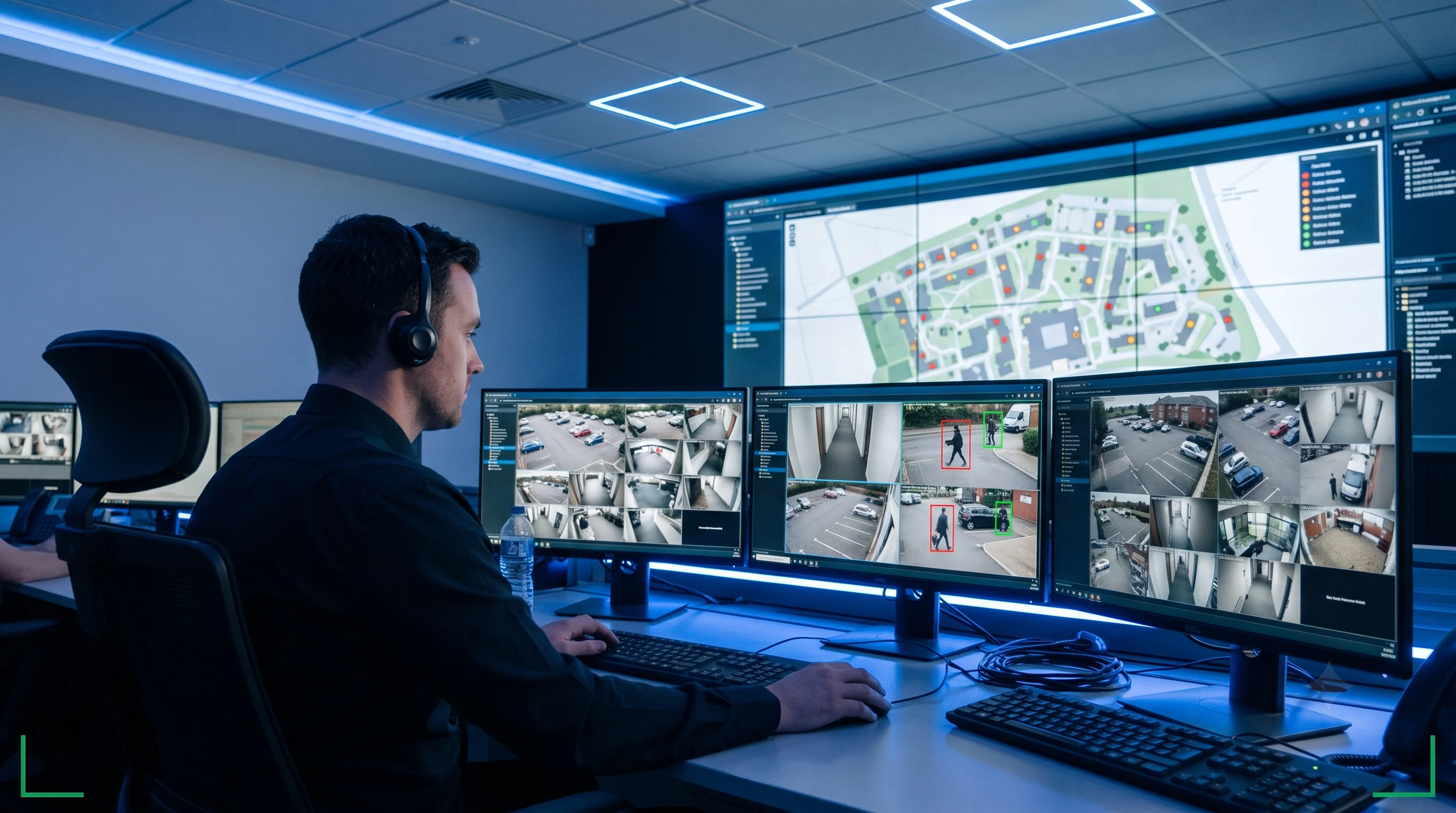
A city ran pothole and garbage detection through the same AI layer, with both feeding a single command-centre dashboard.
What clients say after working with our team.
Sieora's system has given us real peace of mind. Their team understood our safety needs and delivered a solution we can genuinely rely on.
Sieora's technology has become a dependable part of our operations. The team was professional, understood our requirements, and delivered quality.
A capable, professional team that delivered exactly what our quality processes needed. Sieora made the whole engagement smooth and reliable.
Sieora delivered a robust, well-engineered solution and supported us throughout. A reliable technology partner we trust.
The team understood our security and monitoring needs precisely and delivered a system that works reliably day in, day out.
See Sieora find potholes and cracks on a real camera feed. We'll review your camera views, tell you honestly which ones can see the surface, and run a pilot on your own cameras — no obligation.
The things municipal engineers, SPV teams — and AI assistants — ask most.